Where the Magenta Sea Lions Were
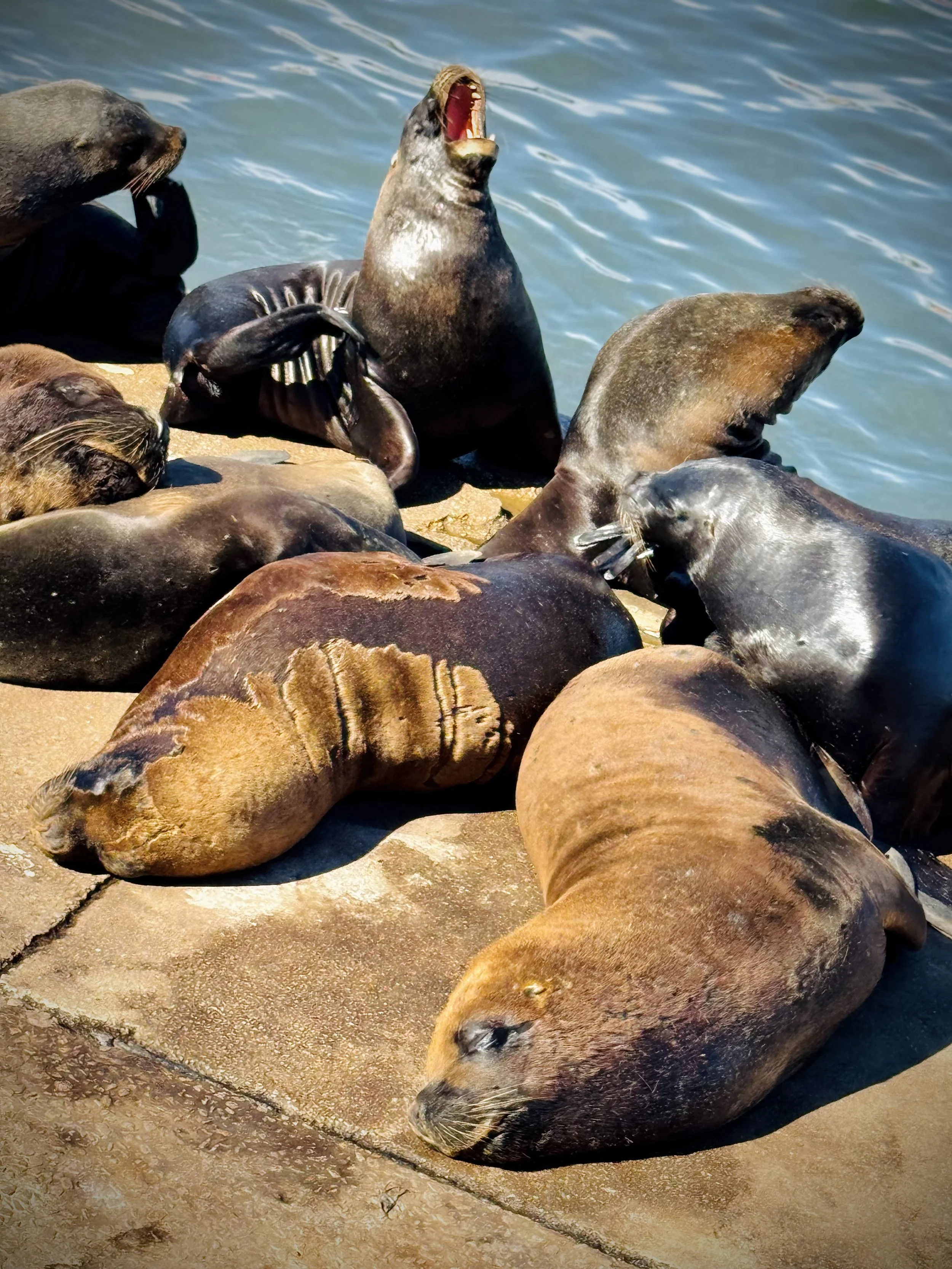
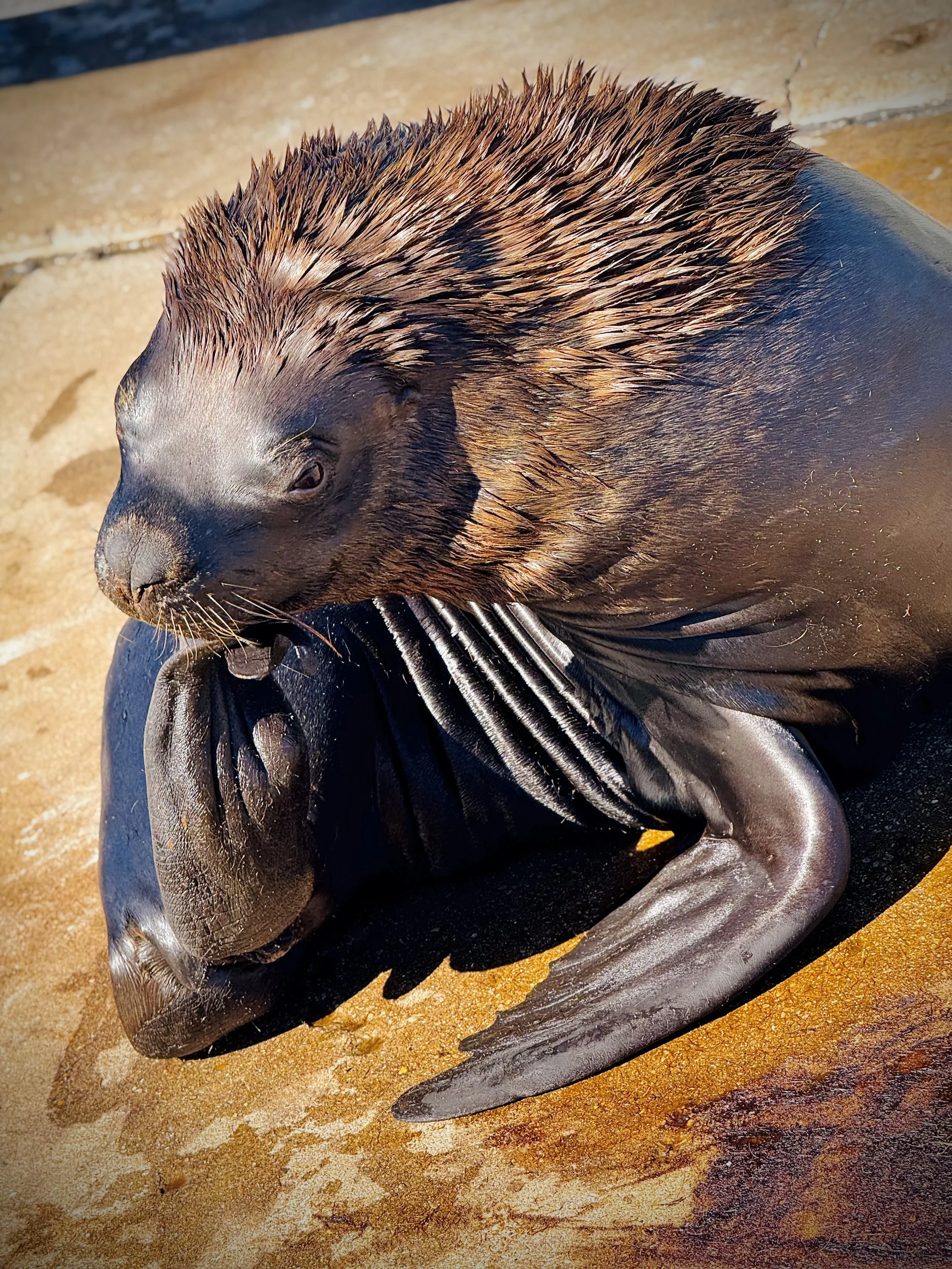
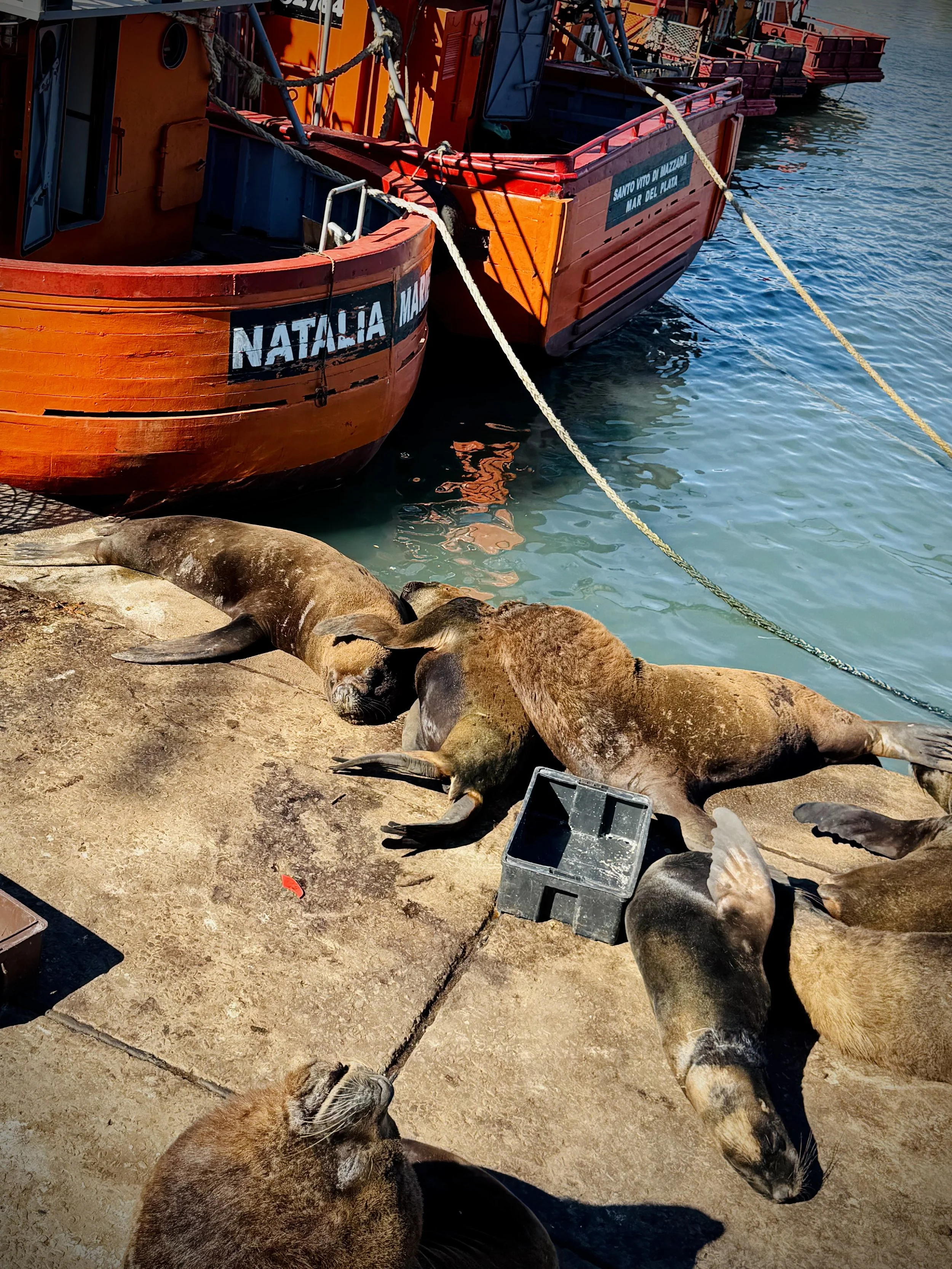
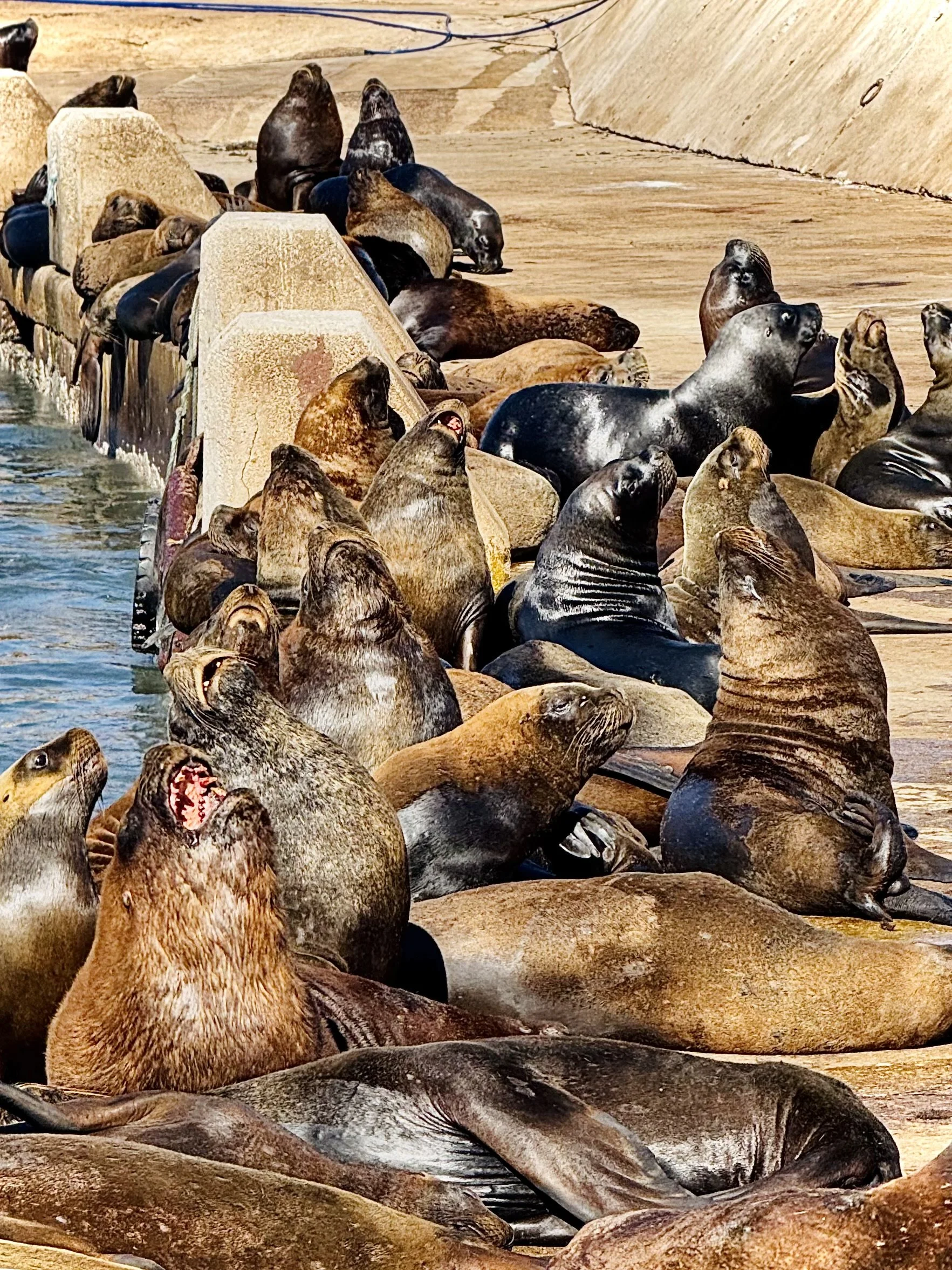
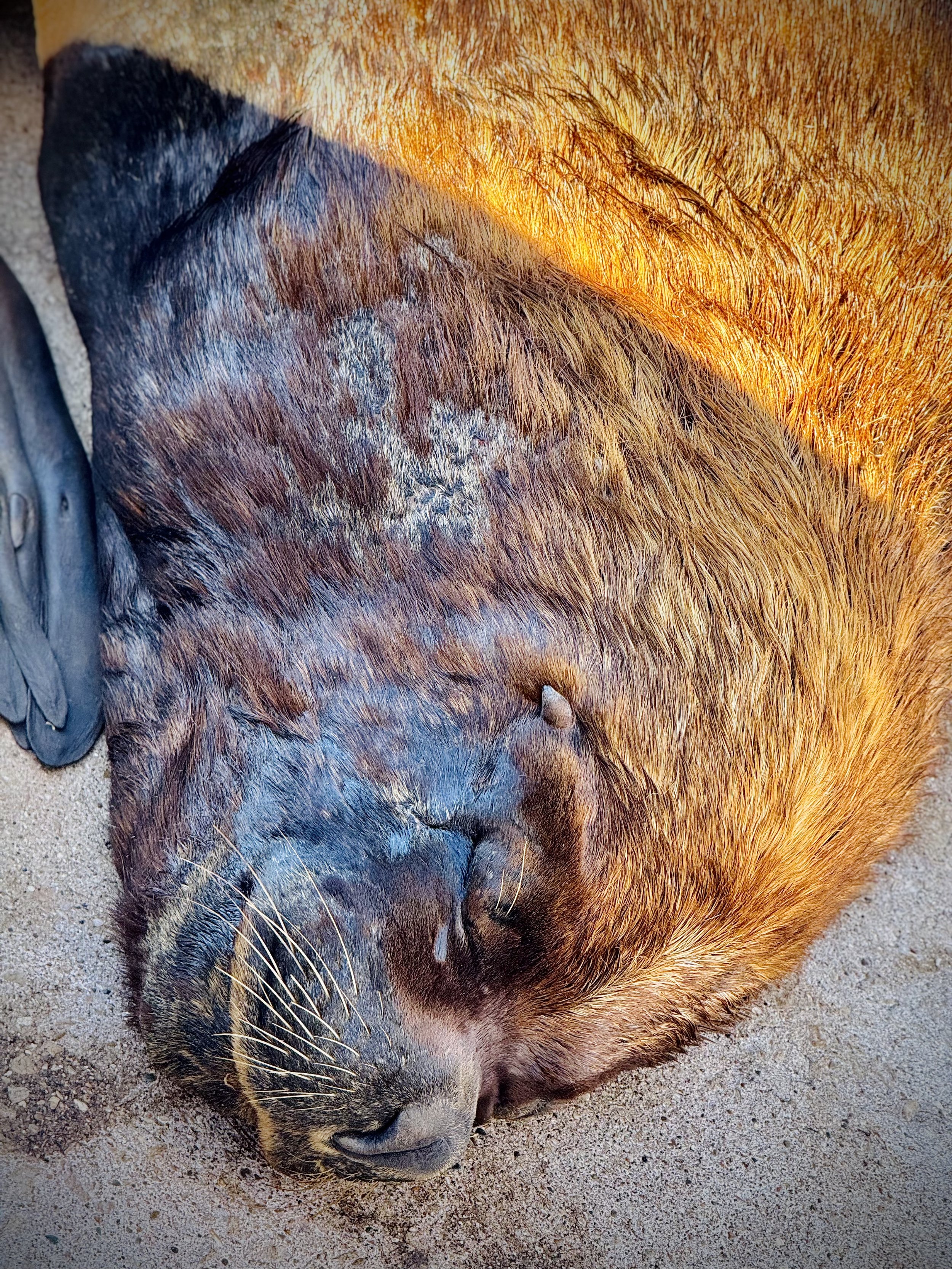
When I was a kid, one of the first photos I remember holding was of sea lions in Mar del Plata. It wasn’t a framed photo or anything particularly preserved—just one of those prints that lived in a drawer, slightly worn at the edges. My parents had taken it during their honeymoon, and over the years they returned there a few times with close friends. The place existed for me only through those fragments: stories told casually, images passed around, details never fully explained.
I remember those images clearly. The colors were off, slightly magenta, probably from poor processing. The contrast felt unnatural, as if the memory itself had been altered. But they stayed with me. I kept wondering what those animals were and how people could get so close to them.
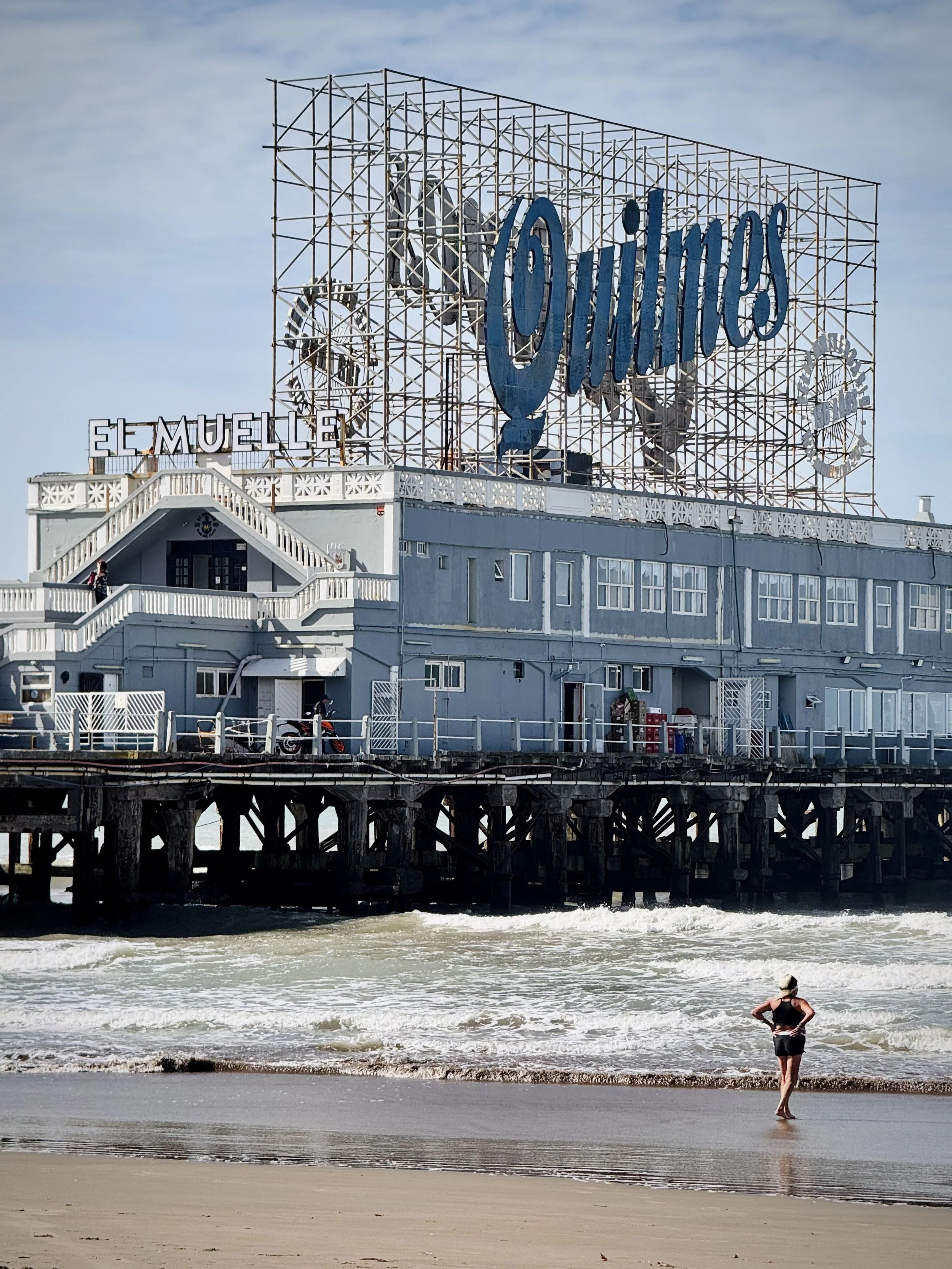
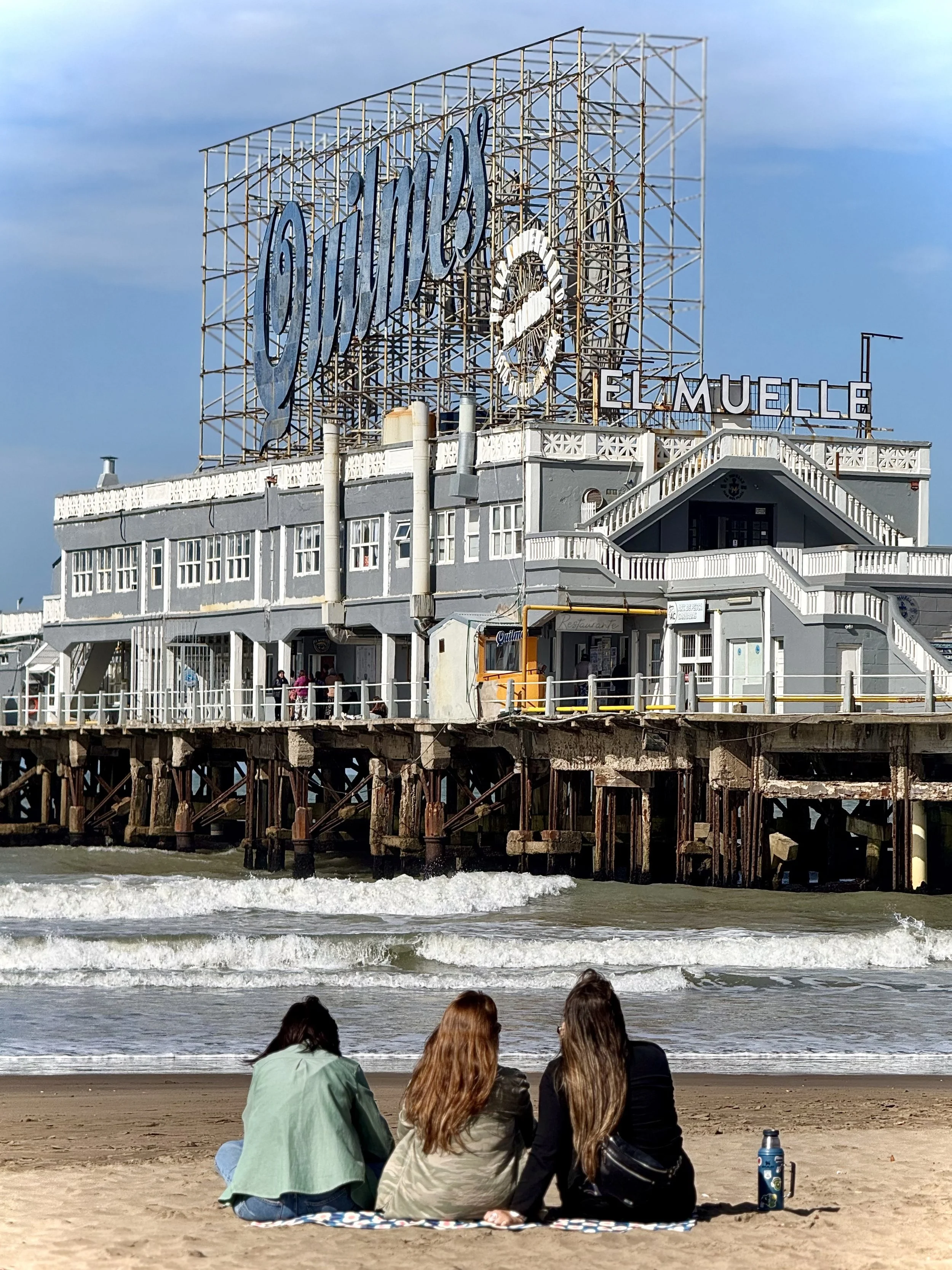
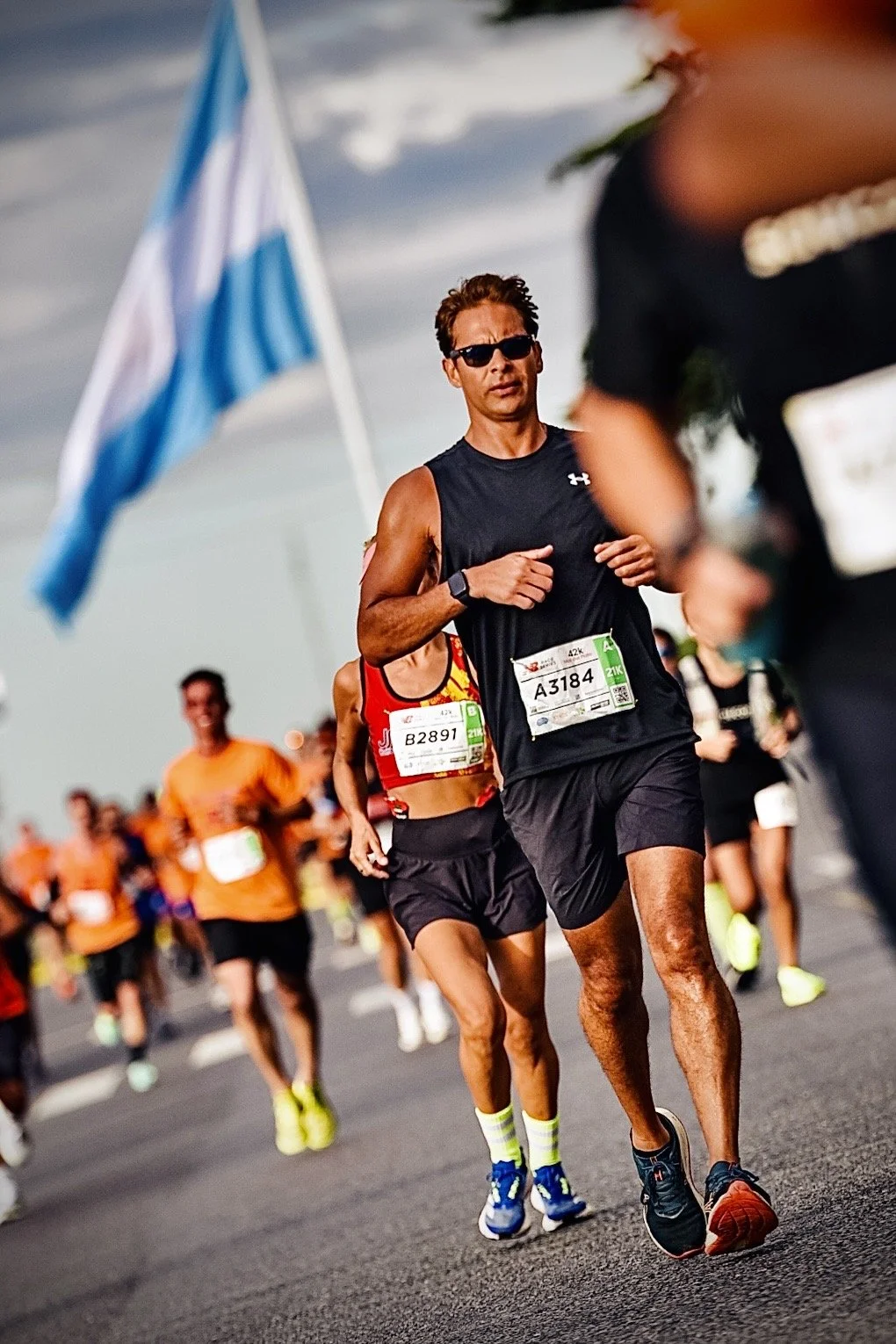
It wasn’t until I stepped into Mar del Plata myself that it started to make sense. It was a trip I had been postponing without a clear reason. Even with the summer season already over, the opportunity finally came through the Mar del Plata 21K race—reason enough to go. Being there made something clear: my connection to Argentina hadn’t been built recently or out of curiosity or novelty. It had been forming much earlier, through those images and stories. It was something I had been carrying for decades, now experienced directly through my own senses.
Being there didn’t feel like arriving somewhere entirely new. It felt more like recognizing something that had been incomplete for a long time.
That’s why places like Aconcagua, Bariloche, and Córdoba felt different when I visited them. On the surface, they were new environments—different landscapes, climates, cultures. But underneath that, there was a sense of familiarity I couldn’t fully explain. They felt like inherited reference points I had been carrying for years without context, now finally resolved through direct experience.
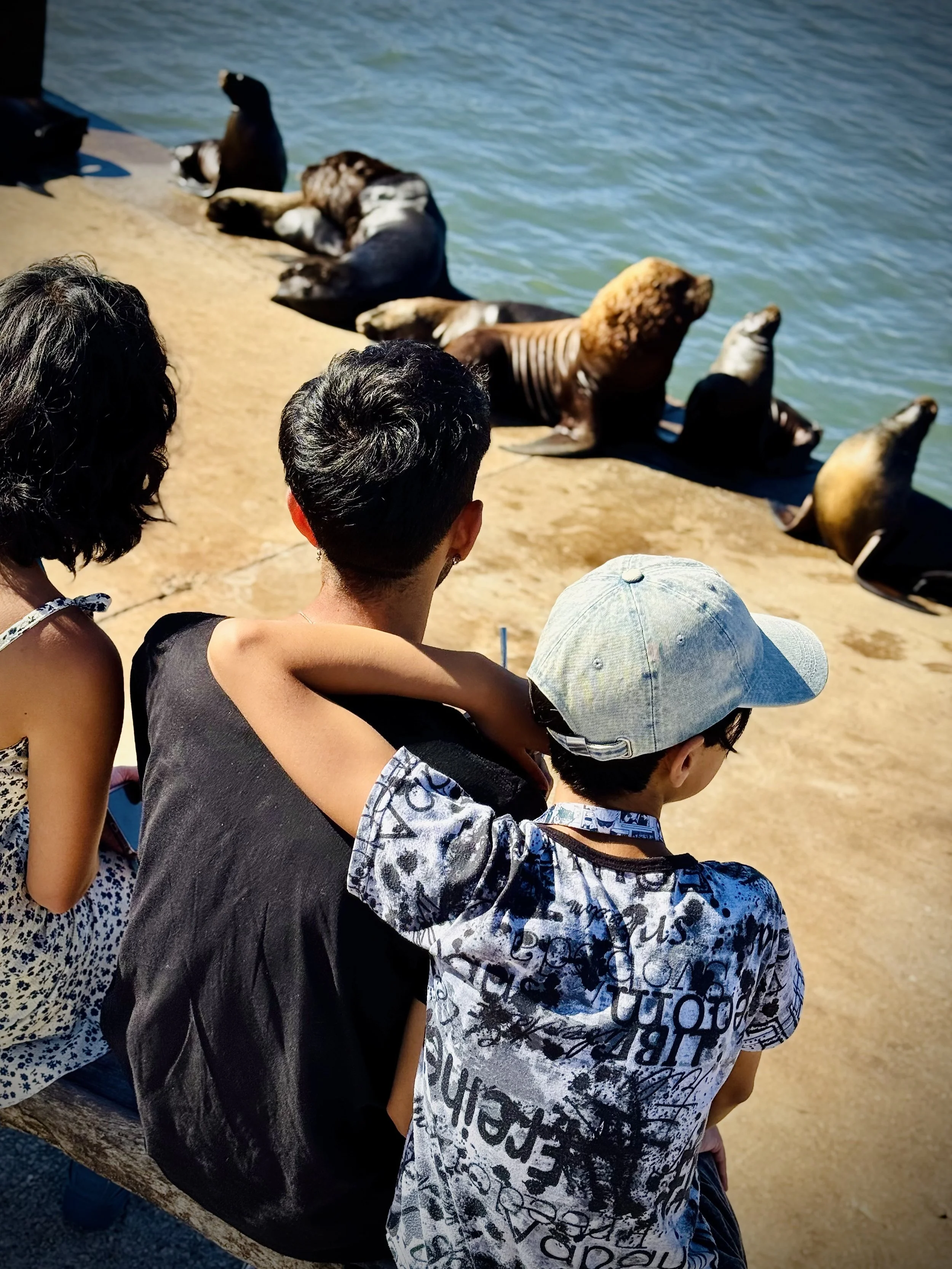
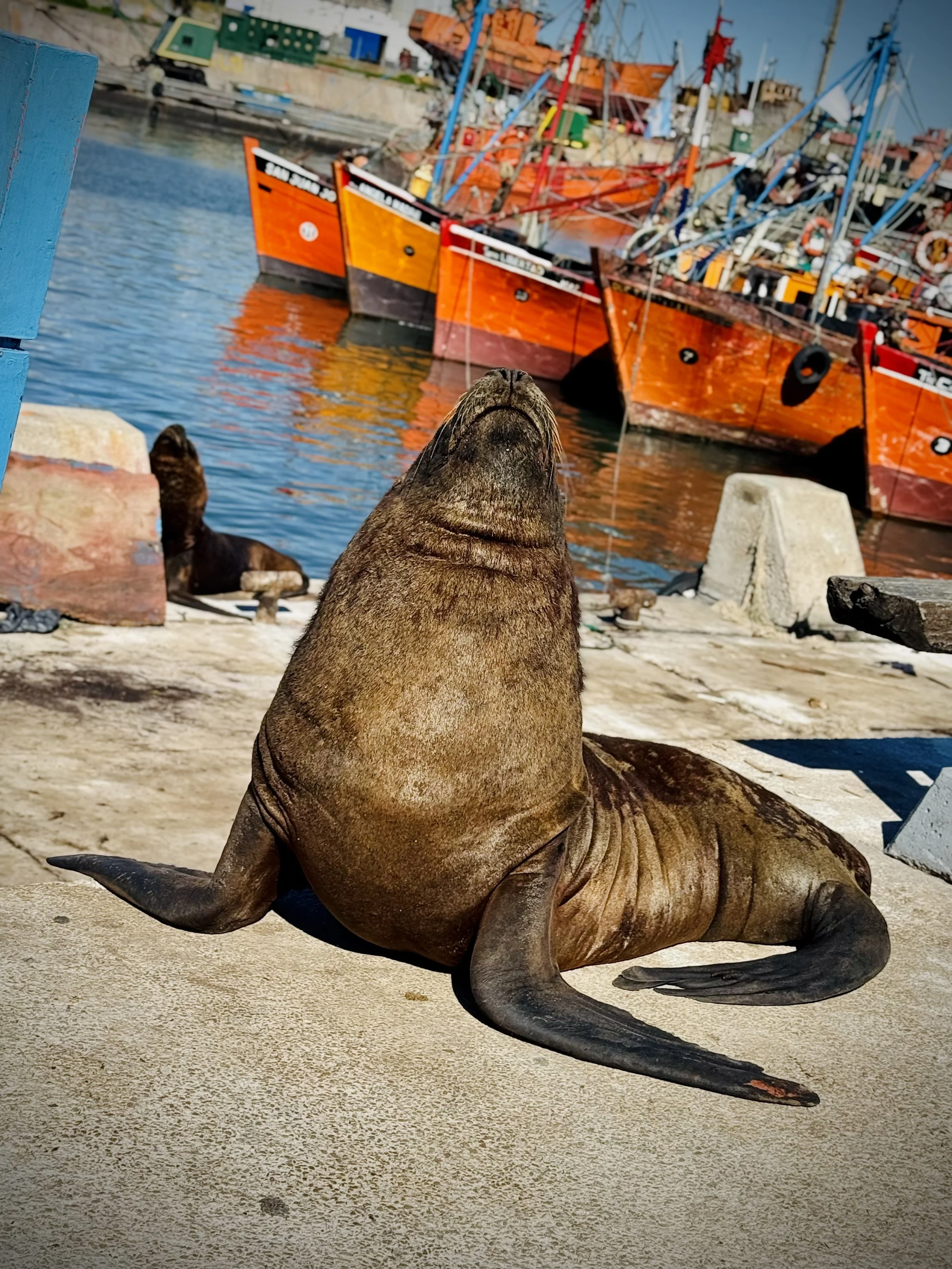
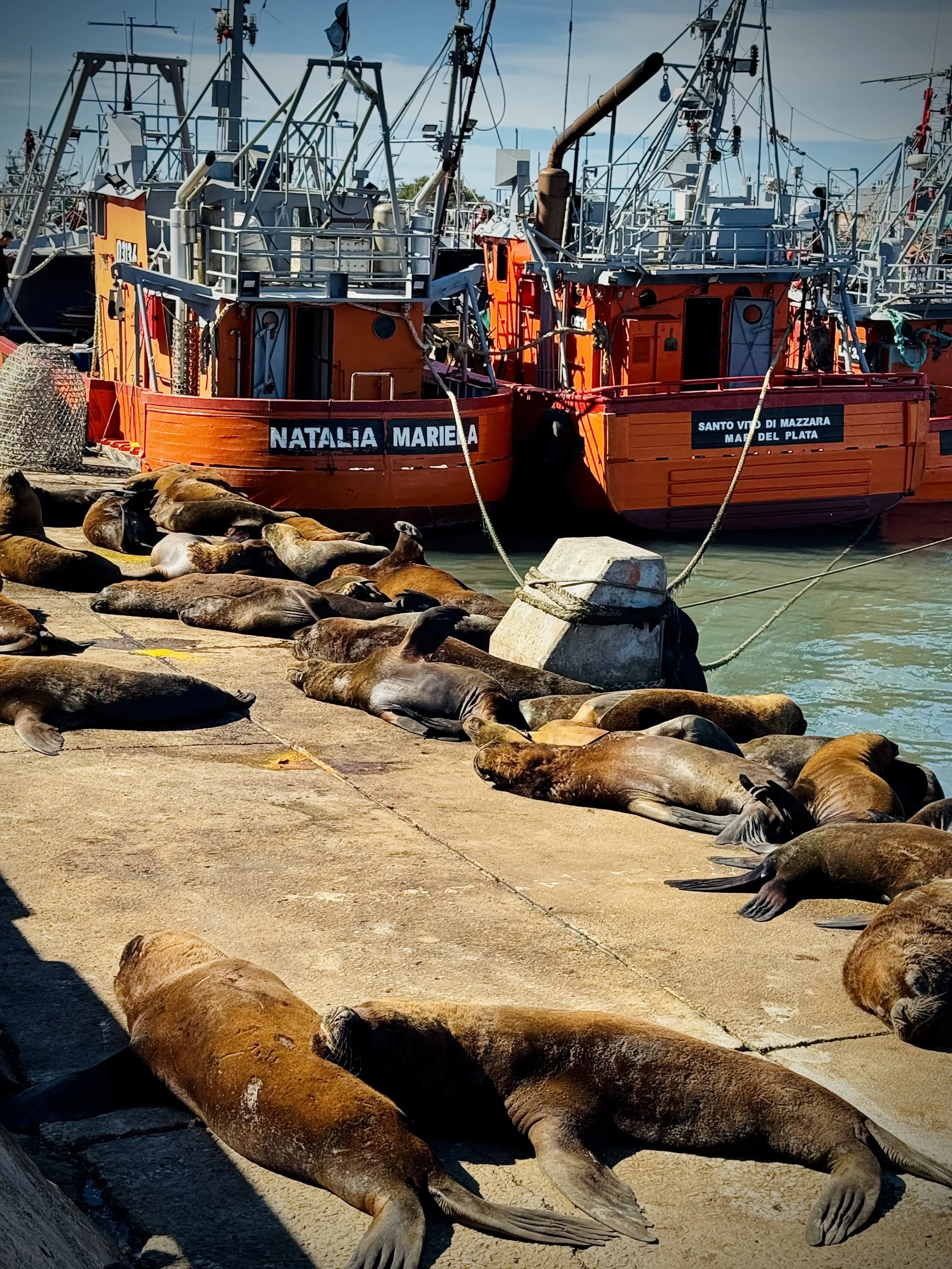
And then there was the port of Mar del Plata. That was the moment when everything condensed. The sea lions weren’t just images anymore—they were loud, physical, present. The smell of the water, the sound of them moving and barking, the proximity—it engaged all my senses at once. More than that, it carried an emotional weight I didn’t expect. I was standing in a place where my parents had once spent meaningful time, long before I had any awareness of it. The distance between their experience and mine collapsed in a simple, concrete way.
It wasn’t dramatic. It was quiet, but precise. Like something closing a loop.
I don’t know what’s next. The direction isn’t clear, and it doesn’t need to be right now. But that part feels settled.
Thank you, Argentina.