

The Questions Juan Left Me With
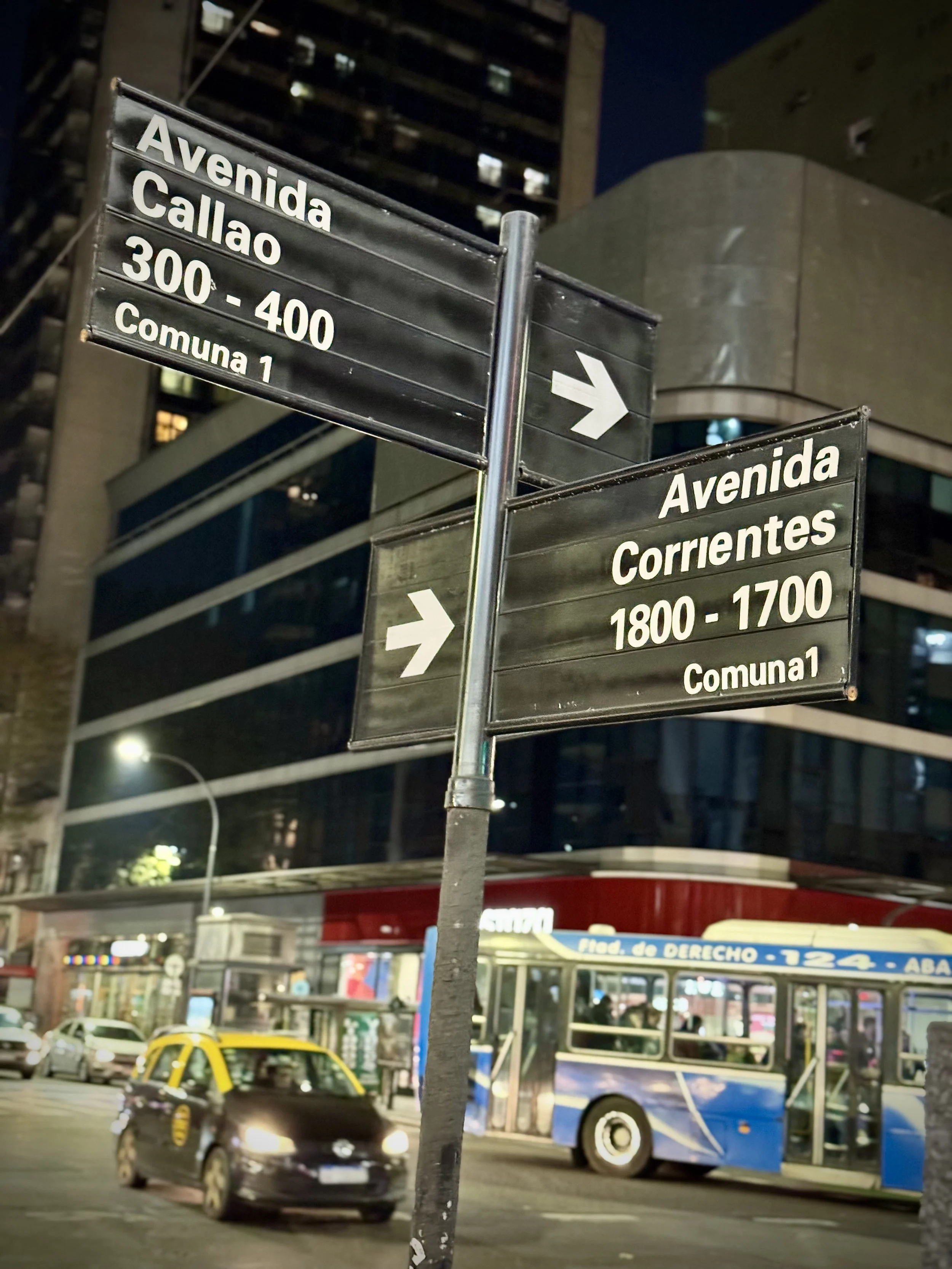
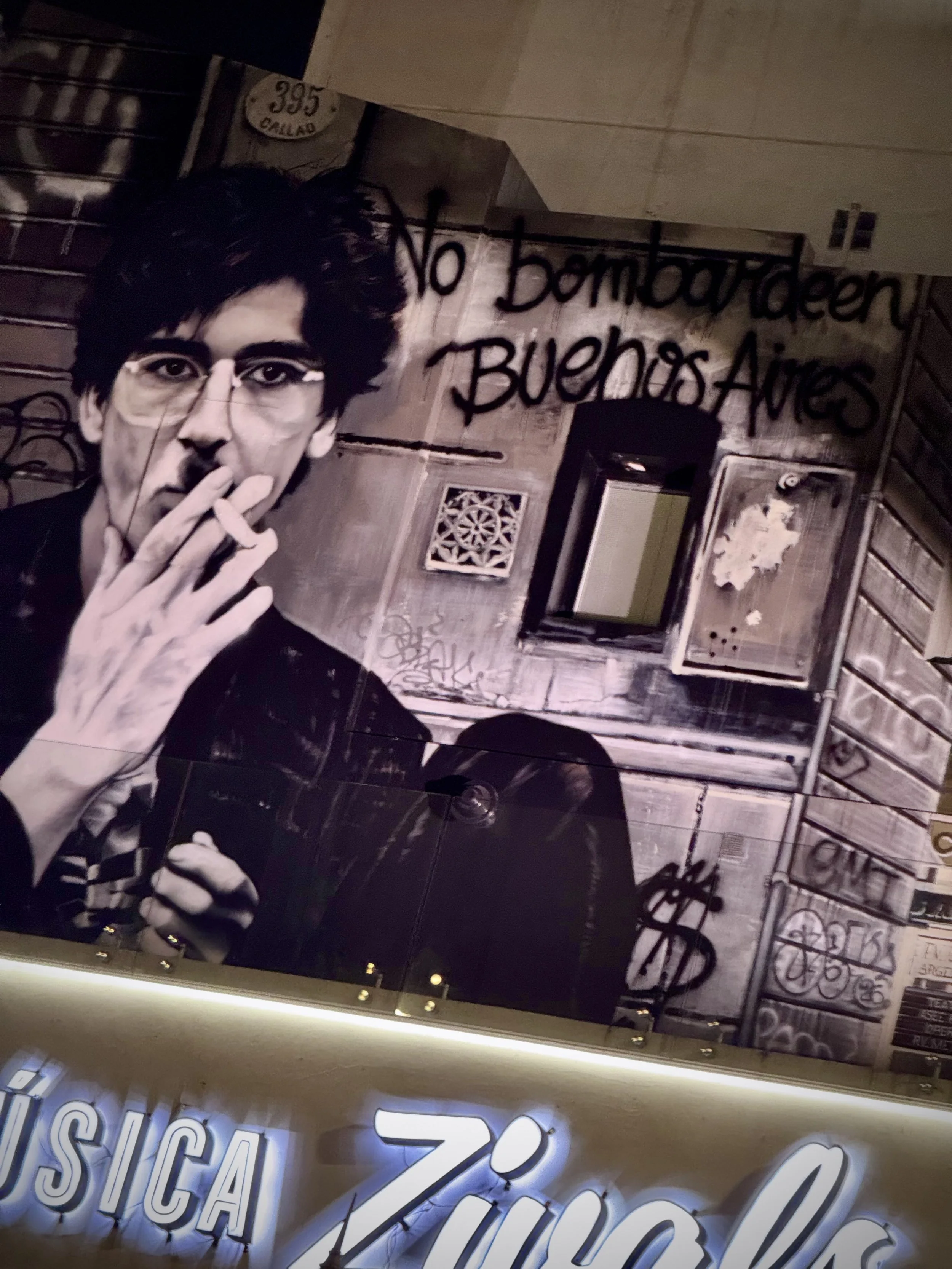
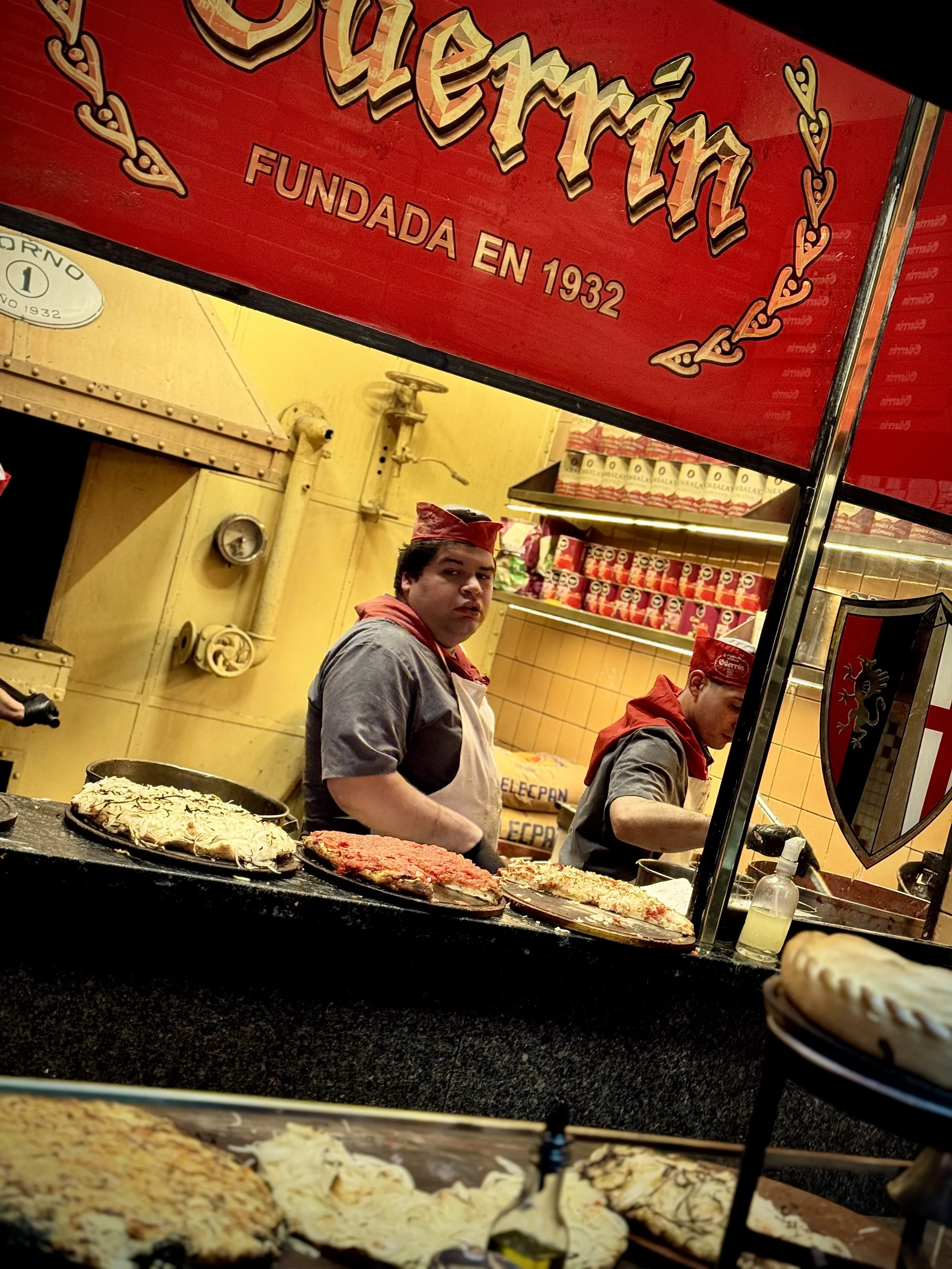
Last night’s dinner took me to the streets near Avenida Corrientes — one of Buenos Aires’ most iconic thoroughfares, where theaters, bookstores, and restaurants spill out onto the sidewalk alongside street performers: musicians, magicians, and impersonators ranging from Carlos Gardel to surprisingly convincing Michael Jackson look-alikes. If Times Square is New York’s restless heartbeat, Corrientes is Buenos Aires’.
By the end of the evening, I was tired and decided to take a taxi home.
Whenever I take a taxi, I usually try to strike up a conversation with the driver. Most of the time it’s just small talk. Sometimes I get recommendations for places to visit, hear opinions about politics, or learn something new about the city. Every now and then, though, you meet someone whose story stays with you.
Last night, that person was Juan.
Juan told me that he moved to Buenos Aires from a small town in Misiones, in northern Argentina near the borders of Paraguay and Brazil, when he was just sixteen years old. At the time, there was little work available back home. So he hitchhiked his way to the capital and spent about a month sleeping in a public square while taking whatever odd jobs he could find until he was able to rent a room of his own.
He told me he was always afraid of ending up in jail. Because of that, despite how difficult his circumstances were, he never got involved in crime or tried to steal from anyone. Eventually, he found love, married and had two daughters.
Sixteen years ago, his wife died from a sudden heart attack while she was still in her thirties.
She had been talking with a couple of neighbors when she suddenly collapsed. There had been no warning signs. She fell face-first onto the ground and suffered a severe injury to her face. After Juan rushed her to the hospital, the police initially suspected foul play because of the injury and attempted to arrest him. Fortunately, the neighbors who witnessed the incident were able to testify and confirm exactly what had happened.
After his wife’s death, Juan raised his two daughters on his own. They were only ten and eight years old. He worked longer hours to keep food on the table and to give them opportunities he never had himself.
As he spoke, his voice softened when he mentioned his daughters. One has already graduated as a civil engineer, and the other is studying to become a lawyer. For a man who once slept in a public square after arriving in Buenos Aires with almost nothing, their success seemed to be the accomplishment he valued most.
Years later, Juan built a new chapter of his life and became the father of a third daughter. Today, he drives a taxi and also runs a car repair shop during the day.
What struck me most was not the hardship of his story, but the way he spoke about it.
When I asked whether he carried any resentment about his childhood, he shrugged.
“That’s just how life was,” he told me. “I did what I had to do. My mother wasn’t very supportive, but she was still my mother, and I never stopped loving her.”
He didn’t speak about his past with bitterness or self-pity. To him, it was simply the reality he had been born into.
Then a memory surfaced. Years ago, while visiting Père Lachaise Cemetery in Paris, I walked among the graves of people whose work changed the world — mathematicians, physicists, writers, composers, artists, politicians. What struck me then was the mystery of it: how some people manage to reshape the lives of millions, often in fewer years than most of us are given, and leave something behind that outlasts them by centuries.
And yet, somehow, Juan fit among them.
Juan will never have a grave that strangers visit. But then again — maybe his daughters will.
When I got out of Juan's car, I found myself carrying a question that stayed with me long after the ride ended:
Does a life need to leave a mark on history to matter?
Or is a meaningful life measured not by the number of people who remember our names, but by the lives we touch along the way?

“Or is a meaningful life measured not by the number of people who remember our names, but by the lives we touch along the way?”